
Spices NZ: South Asian and Nepali Pantry Staples Guide
Stocking spices NZ cooks love? Learn what ghee, basmati, lentils, Wai Wai, momo masala and timur are, how to store them, and where to buy in bulk.
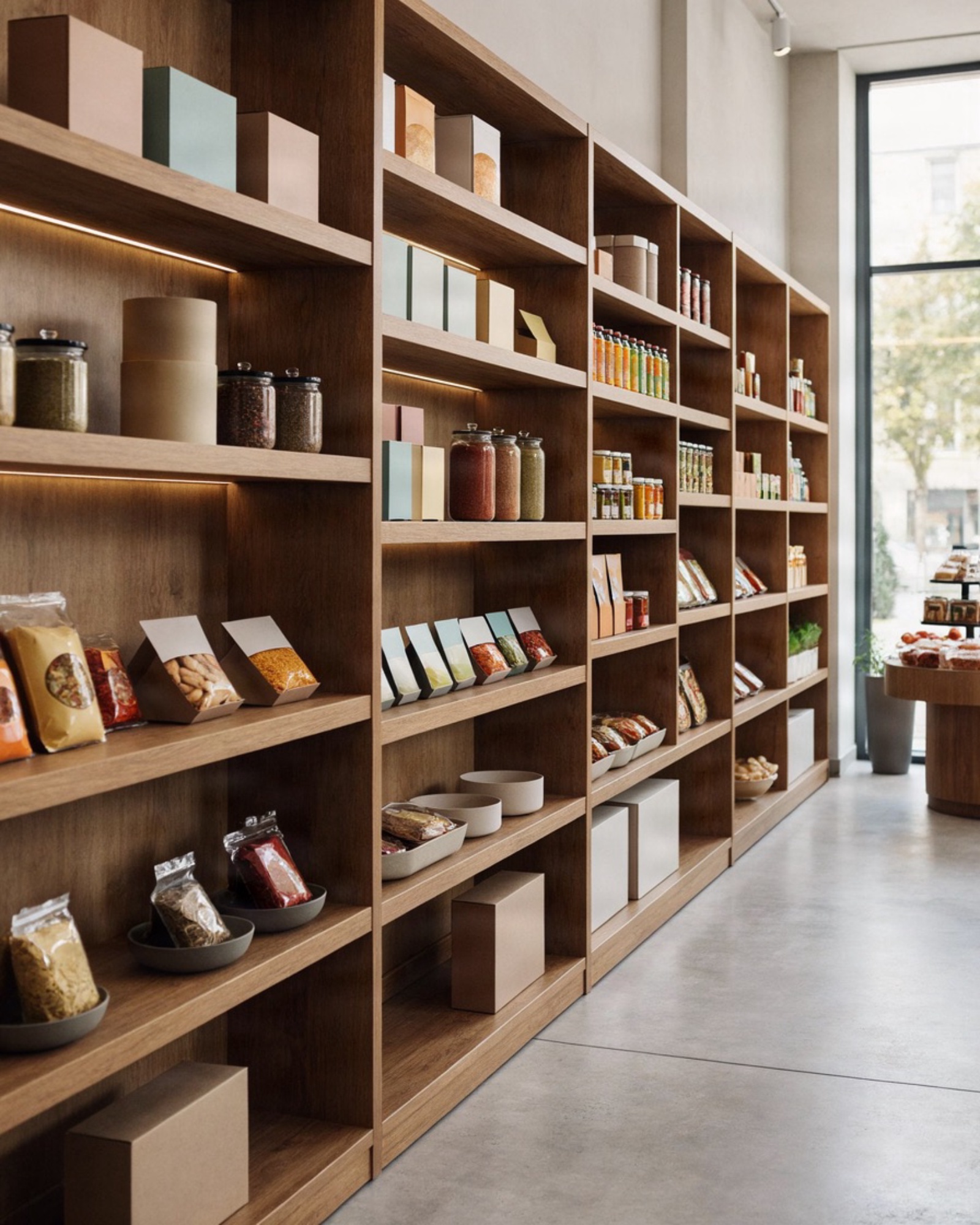
Building a South Asian or Nepali pantry in New Zealand starts with a handful of reliable staples, and the right spices NZ shoppers choose make everyday cooking far more flavourful. This guide explains what each staple is, how to use and store it, and when it makes sense to buy in bulk.
Spices NZ cooks should start with
A good spice shelf does not need dozens of jars. Start with a core set and add more as your cooking grows.
- Cumin, coriander and turmeric form the base of many curries and dals.
- Chilli powder adds heat, and the level varies between types, so taste before you add more.
- Garam masala is a finishing blend, usually added near the end of cooking.
- Whole spices such as cardamom, cloves, cinnamon and bay leaf are often fried in oil first to release aroma.
Storage matters. Keep spices in airtight containers, away from heat, light and moisture. Whole spices stay fresh longer than ground ones, so grind small amounts when you can. If a spice has lost its smell, it has lost most of its flavour.
Ghee NZ: what it is and how to use it
Looking for ghee NZ cooks can rely on? Ghee is clarified butter: butter that has been gently cooked so the water and milk solids are removed, leaving pure butterfat. It has a rich, nutty flavour and a high smoke point, which makes it good for frying and tempering spices.
How to use it.
- Heat a spoonful, add whole spices, and pour the mixture over dal at the end (a technique called tadka or tempering).
- Use it for frying onions as the base of a curry.
- Spread it on roti or paratha.
- Stir it through rice for extra richness.
Storage. Keep ghee in a sealed jar in a cool, dry cupboard. Always use a clean, dry spoon, as moisture can spoil it.
Basmati rice NZ buyers should know about
Basmati rice NZ households use is a long-grain rice known for its aroma and light, separate grains when cooked. It is a staple for biryani, pulao and as a side for curries.
Cooking tips.
- Rinse the rice in cold water until it runs mostly clear, to remove surface starch.
- Soak for a short time if the packet recommends it.
- Follow the water ratio on the packet, as it differs between brands and ageing of the rice.
- Rest the rice, covered, for a few minutes after cooking, then fluff with a fork.
Storage. Store dry rice in an airtight container in a cool, dry place. Rice is heavy and used often, so it is one of the best items to buy in larger bags.
Lentils NZ cooks use every week
Lentils NZ shoppers buy come in many forms, and each behaves differently.
- Red lentils (masoor) cook quickly and break down into a soft, creamy dal.
- Yellow split lentils and split peas are common in everyday dals.
- Brown and green lentils hold their shape better and suit salads and heartier dishes.
- Black lentils (urad) are often used in rich dals and in fermented batters.
Rinse lentils before cooking and skim any foam from the surface. Adding salt late can help them cook evenly. Store dried lentils in sealed containers away from moisture. They keep well, which makes them ideal for bulk buying.
Instant noodles NZ shoppers love: Wai Wai noodles
Instant noodles NZ households keep in the cupboard are not all the same. Wai Wai noodles are a popular Nepali instant noodle brand, and many people enjoy them in two ways: cooked as a soup, or eaten dry as a crunchy, seasoned snack.
Ideas for using them.
- Cook as a quick soup, and add egg, vegetables or leftover chicken.
- Crush the noodles, mix with chopped onion, tomato, chilli and lime for a snack often called a "sadeko" style mix.
- Add them to a stir-fry for texture.
Instant noodles keep well in the pantry, but check the best-before date. They are a lunchbox favourite and a good backup meal.
Momo masala: the spice blend behind the filling
If you make momo at home, momo masala is the blend that gives the filling its character. Blends vary between brands and families, but they commonly include warming spices such as cumin, coriander and chilli, which are mixed into minced meat or vegetables with ginger, garlic and onion.
Using it well.
- Start with a small amount, mix, then cook a tiny test portion to check the taste.
- Add a little salt and oil to keep the filling juicy.
- Rest the filling for a short time so the flavours mix before you fold the momo.
Keep the blend in an airtight jar and use it within a reasonable time so the aroma stays strong.
Timur pepper: the tingling spice
Timur pepper, usually called timur, is a Himalayan spice related to Sichuan pepper. It has a citrusy aroma and a light tingling feeling on the tongue. It is widely used in Nepali cooking, in dipping sauces for momo, in pickles and in chutneys.
How to use it.
- Dry-roast the whole berries briefly until fragrant, then crush.
- Remove any hard black seeds if you find them, as they can be gritty.
- Use sparingly. A little goes a long way.
Store timur in a sealed jar away from light so it keeps its fragrance.
Buying in bulk: Koseli and Koseli Wholesale
Buying pantry staples in larger quantities can make sense when you use them often, such as rice, lentils and ghee. Store them well, and only buy as much as you will use before the best-before date.
The Insignia Group serves both home cooks and businesses:
- Koseli is our retail brand, suited to home cooks looking for everyday staples.
- Koseli Wholesale imports Nepalese groceries directly from Nepal, including spices, snacks, pickles and specialties, for businesses such as restaurants, cafés and shops.
If you run a food business and want to ask about supply, contact us.
FAQ
What is ghee made from?
Ghee is clarified butter. Butter is gently heated so the water and milk solids separate, leaving pure butterfat with a nutty flavour.
What are Wai Wai noodles?
Wai Wai is a popular Nepali instant noodle brand. People eat the noodles cooked in soup or dry as a seasoned, crunchy snack.
What is timur pepper?
Timur is a Himalayan spice related to Sichuan pepper. It has a citrusy aroma and a mild tingling effect, and is used in Nepali sauces, pickles and chutneys.
How should I store spices?
Keep spices in airtight containers away from heat, light and moisture. Whole spices stay fresh longer than ground ones.
Stock your pantry
Explore Koseli for home cooking, learn about Koseli Wholesale for business supply, or get in touch with any questions.