
Momo: The Complete Guide to Nepal's Favourite Dumpling
What is momo? Learn about Nepali momo fillings, steamed, fried and jhol styles, the achar that goes with them, and a simple home recipe outline to try.
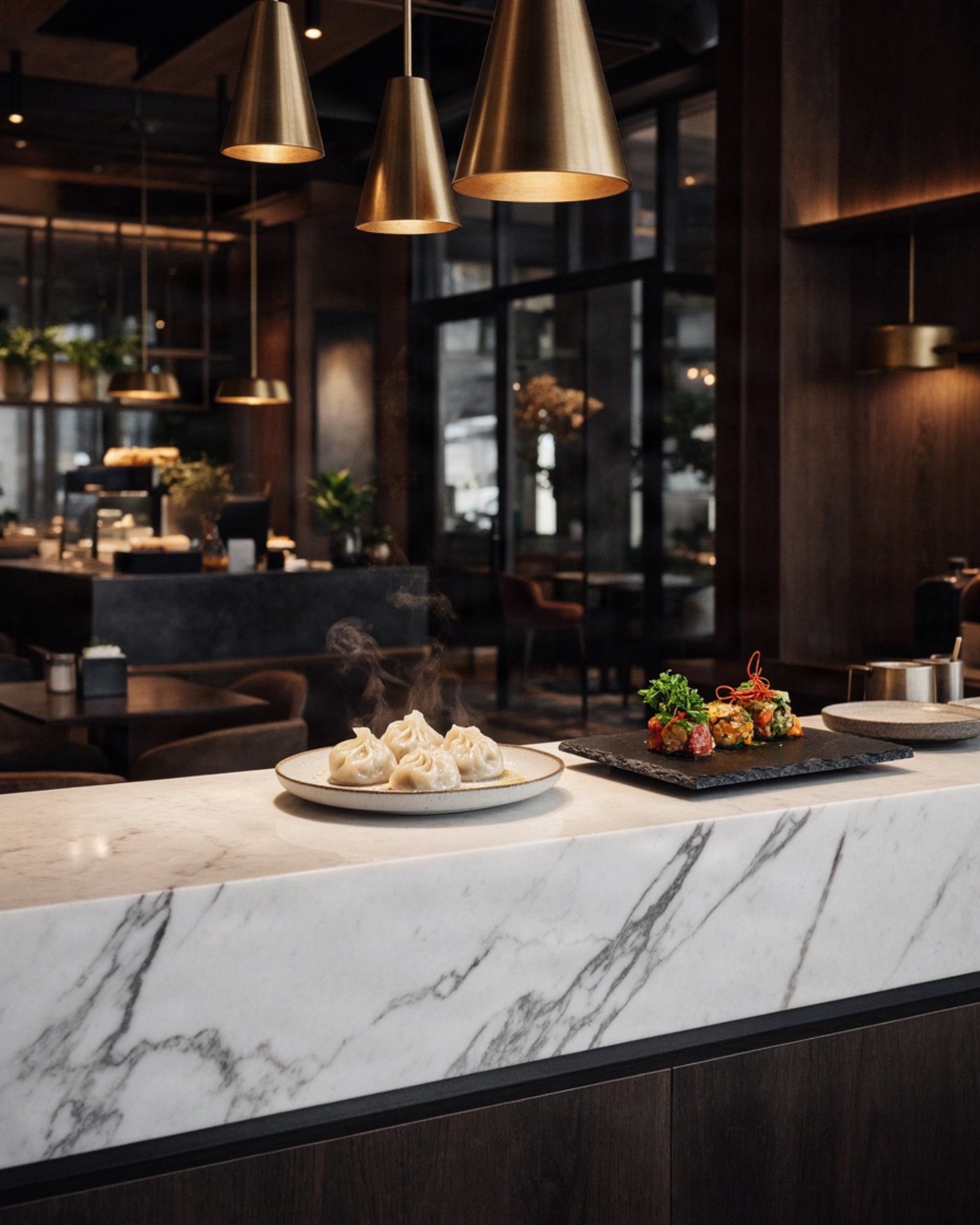
Momo is a Nepali dumpling and a much-loved momo food across the Himalayas: a small, hand-folded parcel of dough wrapped around a seasoned filling and cooked until tender. This guide is about the food, not anything else that shares the name, and it covers what momo are, the main styles, the fillings, and how to make a simple version at home.
What is momo?
If you have ever wondered "what is momo?", the short answer is that it is one of Nepal's most loved snacks and street foods. The dough is thin and made from flour and water. The filling is usually minced and well seasoned with ginger, garlic, onion, coriander and spices. Each dumpling is shaped by hand, often into a round, pleated purse or a half-moon.
Momo came to Nepal through connections with Tibet and became deeply rooted in Nepali life. Today you will find momo Nepal wide, from tiny street stalls to family kitchens and restaurants. The dish is a regular at celebrations, school lunches and late-night cravings.
Nepali momo vs other dumplings
Nepali momo have a character of their own. The seasoning leans on fresh ginger, garlic, coriander and cumin, and timur, a citrusy pepper, sometimes makes an appearance. The dipping sauce is the other big difference: a tomato-based achar, tangy and often spicy, is part of what makes nepalese momo recognisable.
Compared with many other Asian dumplings, Nepali dumplings tend to have a thicker, more tender wrapper and a juicy filling that holds its shape when steamed.
The main styles of momo
Steamed momo. The classic. Dumplings sit in a steamer until the wrapper turns soft and slightly glossy. Steamed momo dumplings are the best way to judge a cook's skill, because there is nowhere to hide.
Fried momo. Steamed first, then pan-fried or deep-fried so the base turns golden and crisp. They are great if you love texture.
Kothey (pan-fried). A half-steamed, half-fried version with a crisp underside and soft top.
Jhol momo. Steamed dumplings served in a warm, spiced, tangy broth. Jhol momo is comforting and especially good on a cold day. Jhol means "soup" or "sauce", and the broth often includes sesame, tomato, and chilli.
C-momo (chilli momo). Fried momo tossed in a saucy mix of onion, capsicum and chilli. Bold, sticky and a little messy in the best way.
Fillings to look for
Chicken momo are the most common choice, tender and mild enough for first-timers. Beyond that, expect variety:
- Buff (buffalo): a traditional favourite in Nepal, with a rich flavour.
- Pork: juicy and savoury.
- Vegetable: cabbage, carrot, onion and sometimes paneer or tofu.
- Cheese or mushroom: a modern take you may spot on some menus.
Fillings differ by cook and kitchen, so ask what is available. If you eat vegetarian, ask how the vegetable momo are prepared to make sure it suits you.
The role of achar
A momo without its dip is only half a dish. The classic sauce is a blended tomato achar with roasted chilli, garlic, ginger, sesame and sometimes timur. It is both sauce and seasoning, cutting through the richness of the filling. Some versions are fresh and sharp, others smoky and deep. Ask for extra if you like to dunk generously.
Kathmandu momo: what makes it famous?
When people talk about Kathmandu momo, they mean the Kathmandu Valley style that put momo on the map: juicy fillings, careful folds and a sauce with real kick. It is a good reference point for what to expect, but home cooks across Nepal each have their own ways, so enjoy the variety rather than chasing a single "correct" version.
A simple Nepalese momo recipe outline
This nepalese momo recipe is a starting framework, not a strict formula, so adjust to taste.
- Make the dough. Combine plain flour with warm water and a pinch of salt. Knead until smooth, rest under a cloth for about thirty minutes.
- Prepare the filling. Mix minced chicken (or finely chopped vegetables) with grated ginger, garlic, finely chopped onion, coriander, cumin, salt and a little oil. Add a splash of water or stock for juiciness.
- Roll and cut. Roll the dough thin, cut into rounds.
- Fill and fold. Place a spoonful of filling in the centre and pleat the edges closed.
- Steam. Lightly oil a steamer, arrange the momo without touching, and steam until the wrapper looks translucent and the filling is cooked through.
- Serve hot with a tomato achar, or in a warm broth for jhol momo.
If you are sourcing ingredients, Koseli Wholesale, part of The Insignia Group, imports Nepalese groceries directly from Nepal.
Where to eat momo in Auckland
Snax, our quick-service food brand in Auckland CBD, serves fresh, fast food including authentic Nepali dishes cooked by Nepali cooks. Have a look at the hospitality section of our portfolio and ask the team what is on the menu when you visit.
FAQ
What is momo made of?
Momo is made from a thin flour-and-water dough wrapped around a seasoned filling such as chicken, buffalo, pork or vegetables. The filling usually includes ginger, garlic, onion and coriander.
What is jhol momo?
Jhol momo is steamed momo served in a warm, tangy, spiced broth. It is a popular alternative to the dry, dipped style and is especially satisfying in cooler weather.
Is momo healthy?
Steamed momo are a fairly balanced snack, with protein from the filling and a lighter cooking method. Fried versions are richer. Portion size and filling make the biggest difference.
How many momo should I order?
A plate is usually a good snack or light meal, and most people order more if they are sharing. Ask the team about portion sizes when you order.
Time to try one
Once you taste a good momo, it is hard to go back. Want to find out more about our food brand? Contact us.