
Indian Grocery Store Guide: Shopping in Auckland
How to choose an Indian grocery store in Auckland: pantry staples to stock, what to check in a South Asian grocery, and where Nepali products fit in.
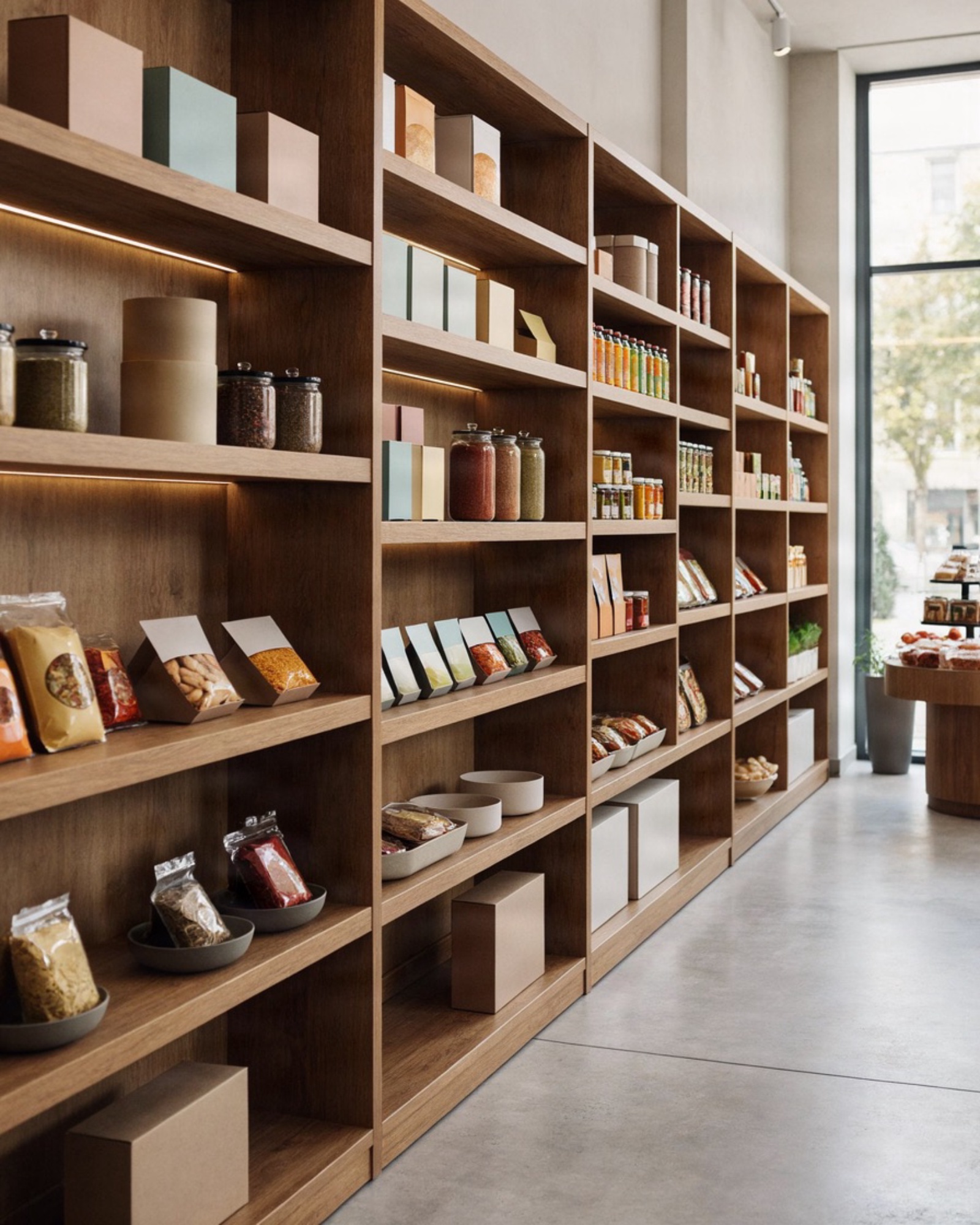
A good Indian grocery store can change the way you cook at home. The right spices, lentils and flours turn a weeknight dinner into something that tastes like the real thing, and finding them in Auckland is easier than it used to be. Here is how to shop smart, what to stock, and where Nepali products fit in. The same advice applies if you’re searching for an Asian grocery Auckland-wide, since many stores stock both.
Start with the pantry staples in an Indian grocery
Before you chase specialty items, build a base. Almost every South Asian kitchen runs on the same foundation, and buying these first means you can cook dozens of dishes.
- Whole spices: cumin, coriander, mustard seed, fenugreek, cardamom, cloves, cinnamon and black pepper. Whole spices keep their flavour far longer than ground ones.
- Ground spices: turmeric, red chilli powder, coriander powder and garam masala.
- Lentils and pulses: red lentils (masoor), split chickpeas (chana dal), yellow moong, urad and whole chickpeas.
- Rice and flours: basmati for pulao and biryani, plus atta (wholemeal flour) for roti and chapati, and besan (chickpea flour) for batters.
- Flavour makers: ghee, tamarind, curry leaves, dried chillies and a few jars of pickle.
If you are new to cooking this way, start with one lentil dish and one vegetable dish. You will learn which spices you actually reach for and can expand from there.
What to look for in an Indian grocery store near me
Searching for an "Indian grocery store near me" will give you plenty of options, so it helps to know what separates a good one from an average one.
- Turnover. Busy shelves mean fresher stock. Spices and flours lose quality when they sit for months.
- Clear labelling. Packaging should show ingredients, the country of origin and best-before dates in English.
- Range with depth. Look for several types of the same staple, such as different grades of rice or multiple lentil varieties, rather than one of everything.
- Helpful staff. If you are unsure which dal suits a dish, someone who cooks with it daily will point you in the right direction.
- Storage. Spices should be sealed and kept away from heat and direct sun.
Visit in person at least once. Smell the spices, check the pack seals and notice whether the shelves look cared for.
Indian grocery in Auckland: choosing the right type of shop
Indian grocery Auckland shoppers have a few formats to pick from. Neighbourhood specialists tend to be strong on spices and ready-to-cook items. Larger stores and any Asian supermarket usually carry a broader mix, with produce, frozen goods and snacks from several regions in one trip. If you cook across cuisines, an Asian grocery in Auckland that covers more than one country can save time, while a specialist is better when you want depth in a single cuisine.
A sensible approach is to use both. Do your big restock at a larger store, then top up fresh and specialty items at a smaller shop where the team knows the products.
The wider South Asian grocery: beyond India
South Asian grocery shopping is not limited to Indian brands. The region includes Nepali, Sri Lankan, Pakistani and Bangladeshi cooking, and many staples overlap: lentils, rice, ghee and chilli appear everywhere. The differences are in the details, such as the mountain spices used in Nepali kitchens or the particular pickles and snacks that families grew up with.
This is where Nepali products fit in. Items like timur (Sichuan-style pepper), jimbu (a dried Himalayan herb), achar (pickles) and chiura (beaten rice) add flavours that a standard Indian pantry does not cover. If you already cook Indian food, adding a few of these is an easy way to bring variety to the table.
Where Koseli fits in
Koseli is The Insignia Group's retail business for Nepali and South Asian groceries in Auckland. The products are supplied through Koseli Wholesale, which imports directly from Nepal, so you are buying items that travel from source to shelf without a long chain in between. If you are looking for something specific, such as a particular spice, snack or pickle, contact the team for the current range.
Smart shopping tips
- Write a list by dish, not by shelf. Pick three meals for the week and buy only what they need.
- Buy whole spices in small amounts. Grind them as needed for the best aroma.
- Check best-before dates on flours and lentils, especially if you buy in larger packs.
- Store properly. Keep spices in airtight jars in a cool cupboard, and keep flour and rice sealed against moisture and pantry pests.
- Ask questions. Staff can often suggest substitutes if an ingredient is out of stock.
- Try one new item each visit. A new pickle or snack is a low-risk way to widen your repertoire.
FAQ
What should I buy first at an Indian grocery store?
Start with cumin, coriander, turmeric, chilli powder, garam masala, red lentils, basmati rice and atta. These cover a huge range of everyday dishes. Add specialty items once you know what you cook most.
Is an Asian supermarket the same as an Indian grocery?
Not exactly. An Asian supermarket usually stocks products from several countries, while an Indian grocery goes deeper on South Asian staples such as spices, lentils and flours. Many shoppers use both depending on what they need.
How do I keep spices fresh?
Store them in airtight containers away from heat, light and moisture. Buy whole spices where you can and grind small batches. Replace ground spices that have lost their aroma.
Are Nepali products different from Indian ones?
There is plenty of overlap, but Nepali cooking also uses distinctive ingredients such as timur, jimbu, chiura and a wide range of achar. They pair well with a typical South Asian pantry.
Ready to stock your pantry?
Whether you are rebuilding your spice shelf or exploring Nepali flavours for the first time, Koseli is a good place to start. Get in touch to ask about the current range.